Companionship and digital support for older people
A friendly voice on the phone. A familiar face on the screen.
A Digital Friends offers regular telephone and video companionship to older people who feel lonely or cut off, with patient, practical help using phones, tablets and video calls. We check in on wellbeing, and we act when something is wrong.
Prefer to talk? Call 07443 375387. Monday to Friday 8am to 8pm, weekends 10am to 4pm.


Regular telephone calls
Video calls
Help with phones and tablets
Enhanced DBS checked team
Why it matters
Loneliness rarely arrives all at once. It builds quietly: fewer visits, a phone that rings less often, a tablet left in a drawer because nobody had time to show how it works. We help people stay connected before it settles in.
Regular contact matters most early on, before loneliness turns into something heavier, such as persistent low mood. A friendly conversation and a little practical help are a good place to start.
We are not a clinical service, and we do not replace care. When someone needs more than we offer, we help them find the right support.
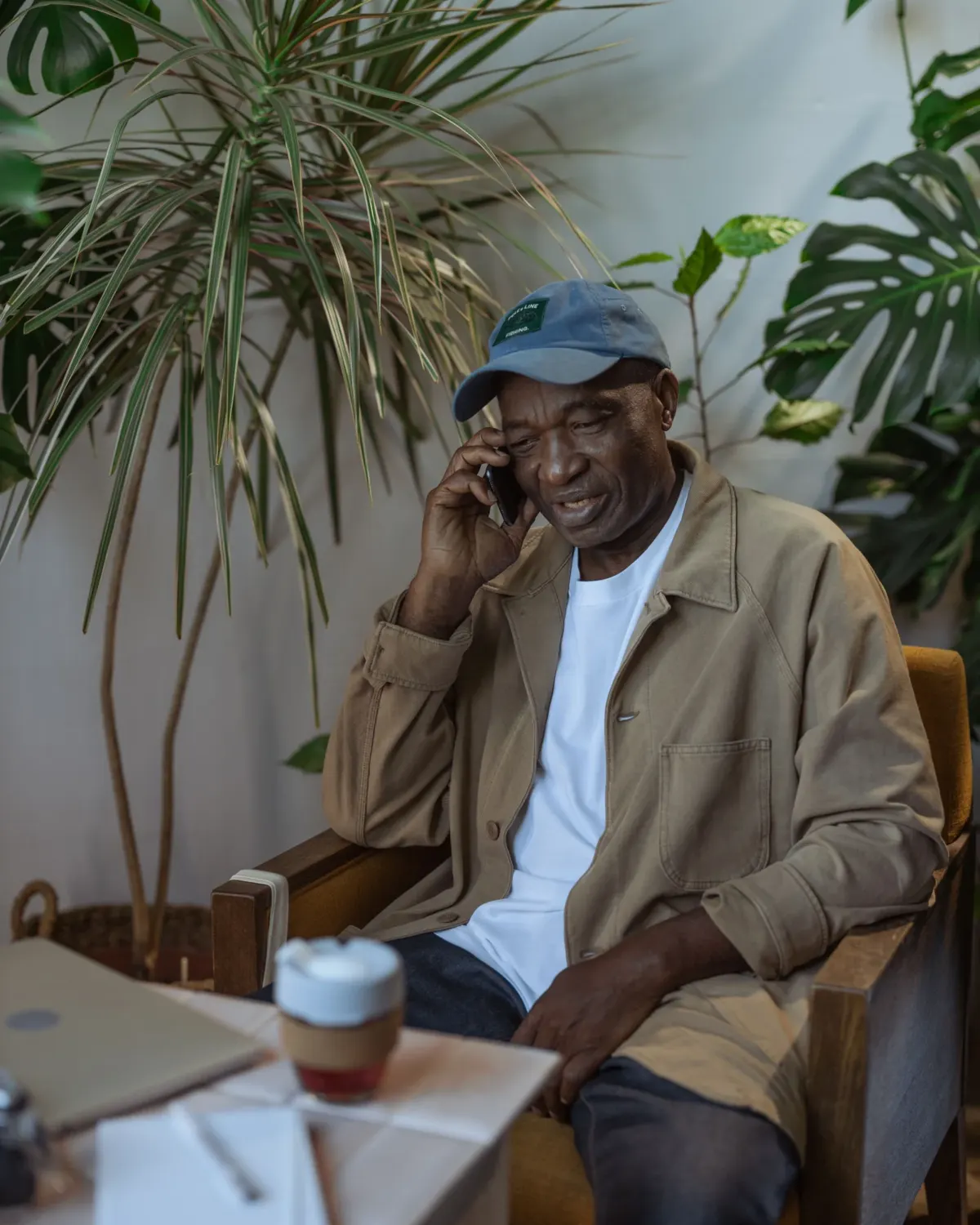
Regular callsA time in the diary to look forward to, agreed with you.
Companionship calls and video calls
Someone to talk to, week in, week out
We match each person with a Digital Friend who shares their interests, then keep the calls regular, on a day and at a time that suits them.
- Telephone calls, or video calls if you would like to see a face
- Matched on interests, personality and how you like to talk
- Conversation about whatever you enjoy: family, music, sport, the news or the old days
- Trained volunteers and staff, every one Enhanced DBS checked

Digital support and device setup
Help with the technology, at your pace
Smartphones, tablets and video calls can bring family and friends much closer. We help people get set up and feel confident, step by step, in plain English and without rushing.
- Setting up a new phone or tablet
- Video calls on WhatsApp, FaceTime or Zoom
- Sending messages and photos
- Email and everyday online services
- Making text bigger and sound clearer
- Spotting scam calls and messages
Wellbeing and welfare
Checking in, and acting when it matters
Two different things, and it helps to know which is which.
Ongoing
Wellbeing check-ins
Alongside everyday conversation, we keep an eye on how someone is getting on: their mood, their confidence, and whether anything has changed. It is gentle and part of the friendship, never a form to fill in.
- Part of regular contact
- Noticing changes early
- Family kept in the loop, if the person would like that
When something is wrong
Welfare response
If a Digital Friend is worried, or someone tells us they are struggling, we do not just make a note. We follow our safeguarding procedures and help connect them with the right support, such as family, their GP or local services.
- Concerns raised with our team
- Handled under our safeguarding procedures
- Help to reach the right people and services
We are not an emergency service. If someone is in immediate danger, call 999.
How it works
From a first chat to a friendly voice
Getting started is simple, and there is no pressure at any point.
Get in touch
You, a family member or a professional can call us or fill in our short form. We will talk about what might help.
A first conversation
We get to know the person: their interests, how they like to communicate, their confidence with technology and what they would like from us.
Careful matching
We match them with a Digital Friend who suits them, based on shared interests, communication style and availability.
Regular calls and support
Calls begin at a time that suits. Digital help, wellbeing check-ins and community connections are there whenever they are needed.
We keep checking it works
We stay in touch, review how things are going and adjust as needs change.
Safeguarding and trust
Every member of our team and every volunteer is Enhanced DBS checked.
Enhanced DBS checks
Everyone who speaks to the people we support has an Enhanced DBS check, as part of our safeguarding approach.
Carefully matched
We take time to understand each person before introducing them to a Digital Friend.
Information handled with care
Personal details are kept secure and used only to arrange and provide support.
For the people around them
Working alongside families and professionals

For families
When you cannot be there as often as you would like
Regular calls and patient help with technology give your relative someone to talk to between your visits. We can keep you updated too, if they would like that.

For professionals
Referring someone you support
GPs, social prescribers, social workers, housing and community teams can refer people who are lonely or isolated. The process is simple and based on consent.
Volunteer
Become a Digital Friend
Give an hour of friendly conversation, or share what you know about technology. No experience needed: we provide training, guidance and ongoing support.
- Volunteer by phone or video, at times that suit you
- Training and support from our team
- Every volunteer is Enhanced DBS checked

Guides
Practical guides for families and older people
- Making a referral: what to include and what happens nextFamilies, friends and professionals can refer someone to A Digital Friends. Here is what to include, why the person's agreement matters and what happens after you send a referral.
- Noticing loneliness in someone you care aboutLoneliness is not always easy to spot, and it can be hard to talk about. Here are some gentle signs to look out for, ways to raise it kindly and small steps that can help.
- Staying safe from scam calls, texts and emailsScammers can be very convincing, and anyone can be caught out. This plain-English guide explains the warning signs, what to do if something feels wrong and how to report it in the UK.